
Google Workspace Admin Alerts: Why Detection Isn't the Same as Knowing
Google Workspace alerts can catch account abuse, but only if someone actually receives and acts on them. Here’s how to wire the human side of detection.
Read Details
Google Workspace alerts can catch account abuse, but only if someone actually receives and acts on them. Here’s how to wire the human side of detection.
Read Details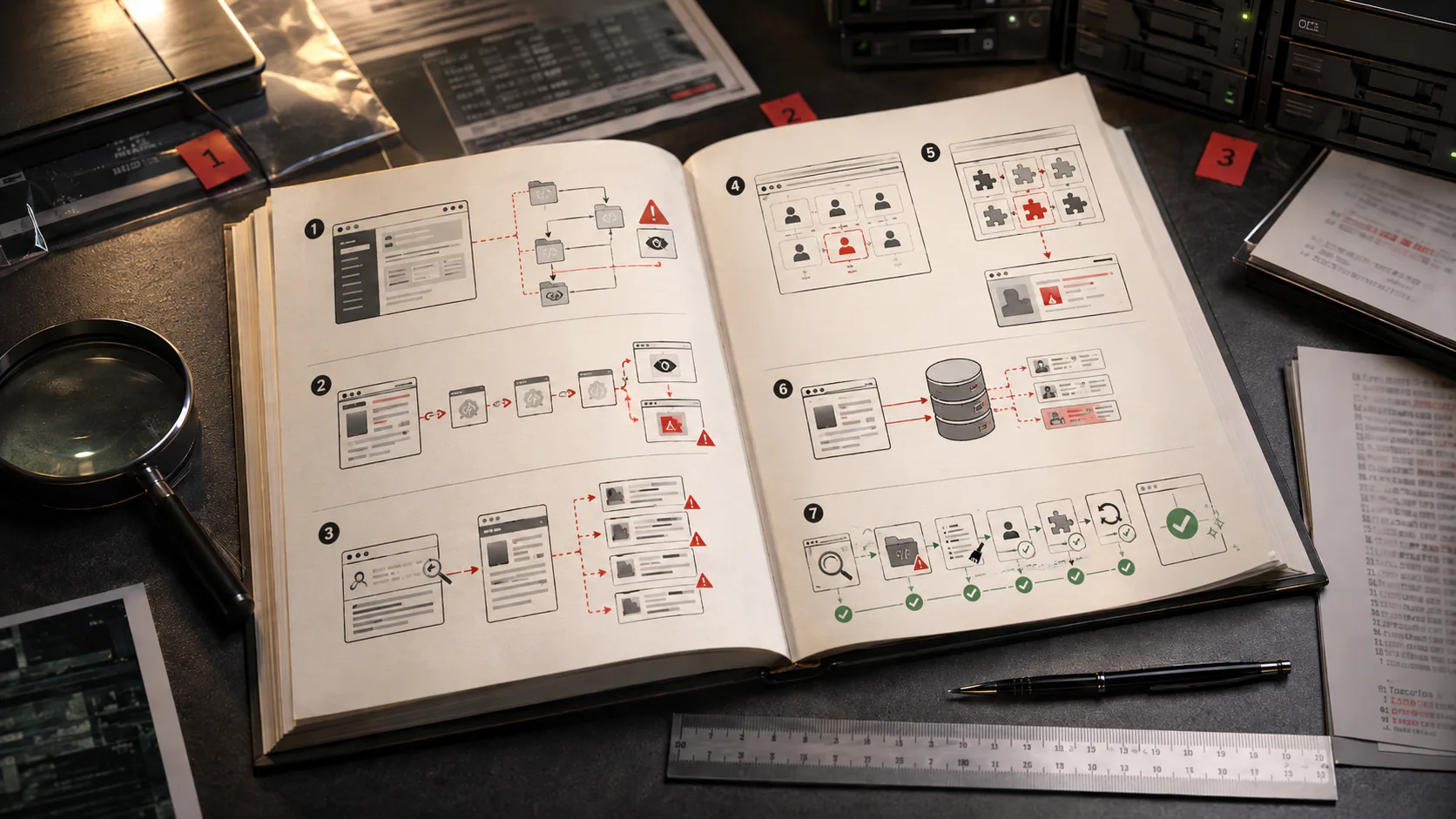
How WordPress sites actually get hacked, what malware does once it’s in, what cleanup means, and how to tell whether the advice you’re getting is sound. Written for owners who run their own site and for owners working with a developer or agency.
Read Details
Contact form spam has changed. Learn why reCAPTCHA, honeypots, and blacklists miss many modern bots, and what layered defenses work better in practice.
Read Details
WordPress malware cleanup can cost a few hundred dollars or several thousand. Here’s what changes the price, how long cleanup takes, and when incident response matters.
Read Details
The instinct to delete a suspicious file is the same instinct that turns a one-week cleanup into a one-month one. Here’s why preserving evidence matters, what gets lost when you delete in a panic, and the right sequence for handling something you don’t recognize.
Read Details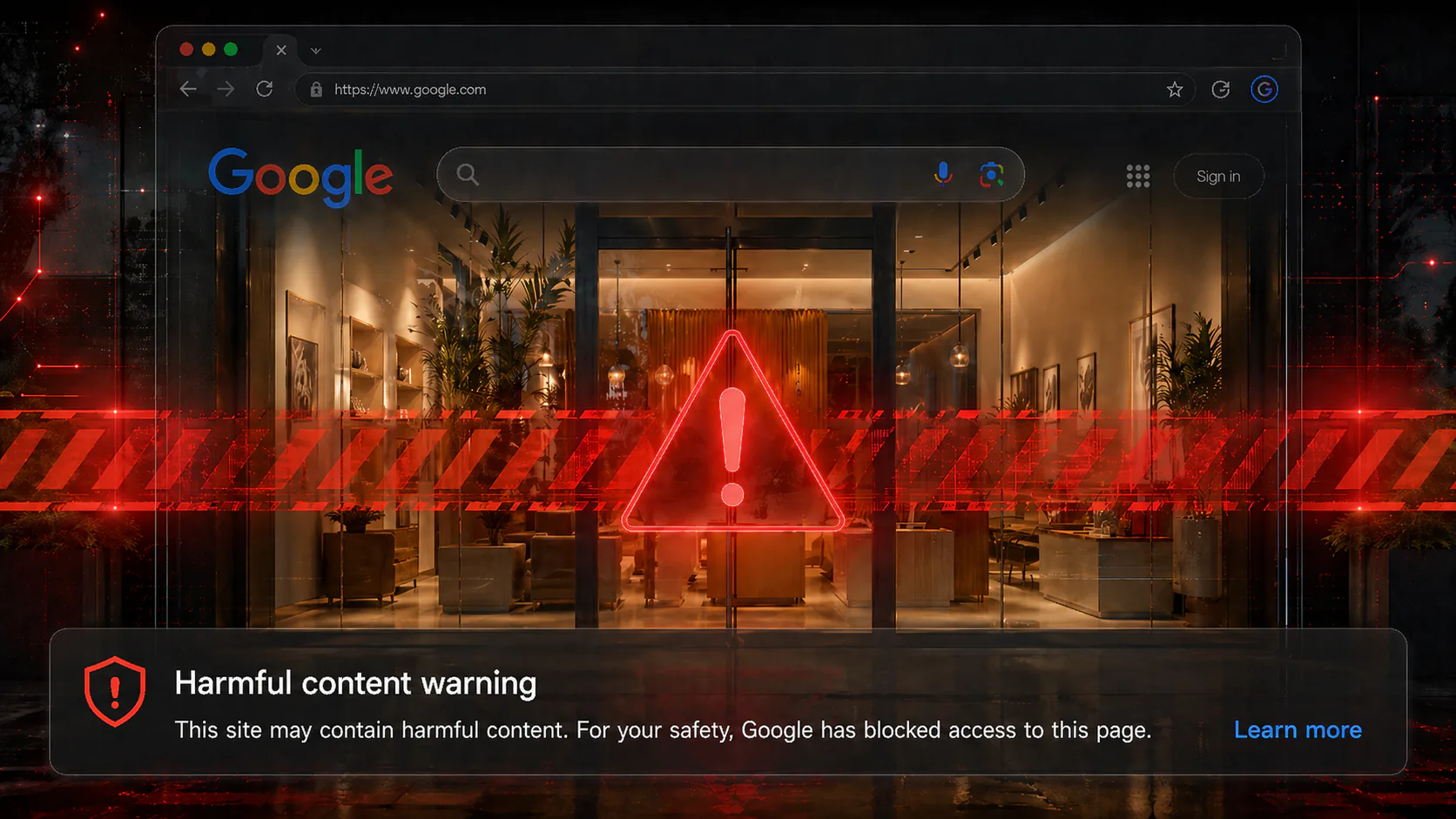
Google flagged your site with a harmful content warning. Learn what the warning means, why cleanup alone may not remove it, and how to recover trust.
Read Details
Your WordPress site redirects visitors to spam, casino, or pharma pages but looks fine to you. Here’s how and why redirect malware hides, and what a real cleanup involves.
Read Details